April 9, 2025 · Leadbuild Team
How agency operators Can Use Ad Campaign Brief Generator to improve client handoffs
.
5 min read · ad campaign brief generator, brand brief automation, brand brief software, AI brand brief generator, automated brand brief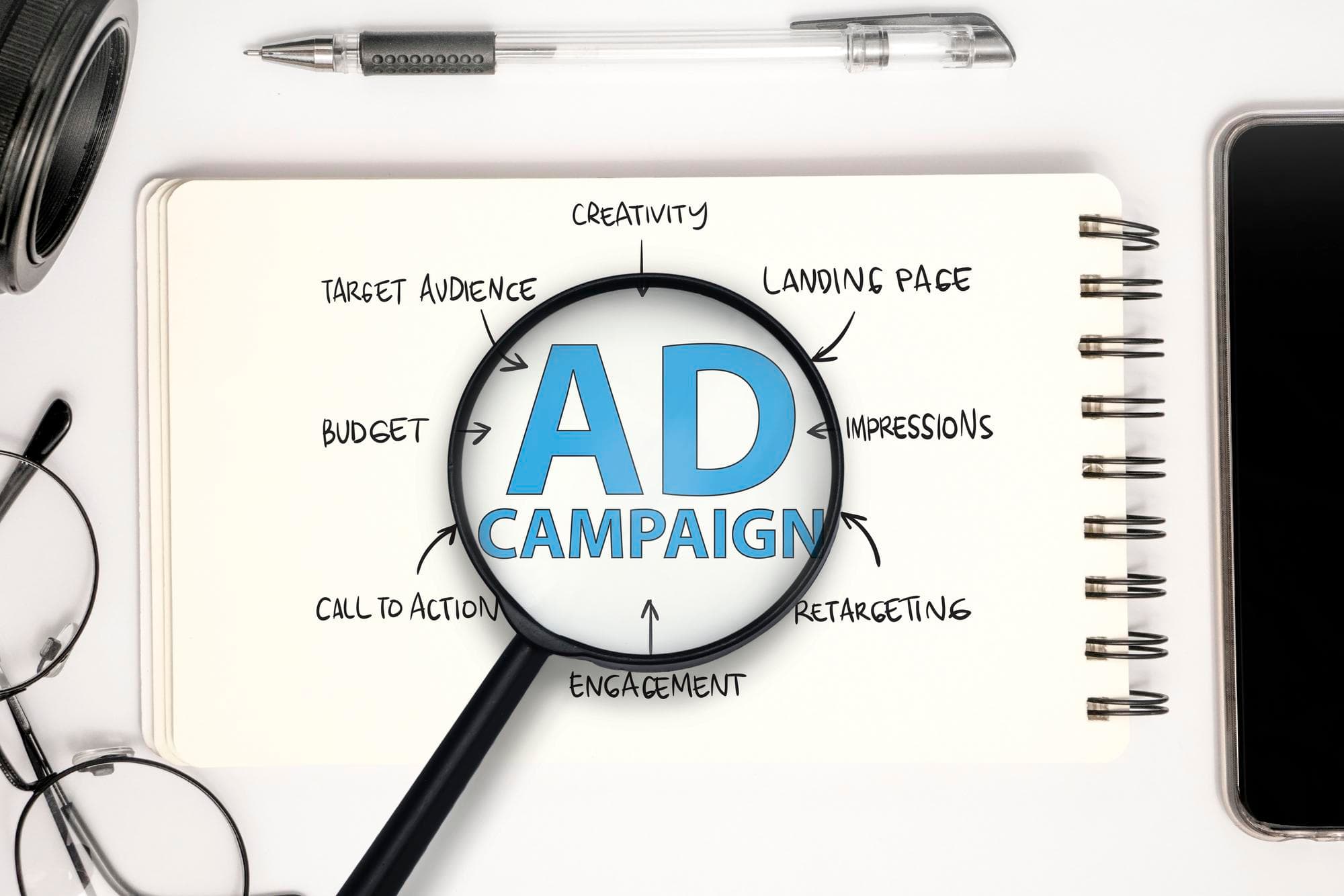
ad campaign brief generator is most useful when it helps agency operators turn source material into a campaign brief that channel owners can actually use. A strong campaign brief connects audience, offer, proof, claims, channel notes, and review decisions. A weak brief creates rework because paid media, content, sales, and client teams all interpret the campaign differently.
AI can speed up briefing, but only when the workflow starts from real inputs. Customer research, sales objections, approved brand guidance, product notes, competitor context, and campaign results should shape the brief before output moves into ads, landing pages, outbound, or content.
Direct answer: ad campaign brief generator should help teams convert source data into a reviewable campaign brief, preserve approval decisions, and activate approved context across channels.
Definition
ad campaign brief generator refers to software or AI-assisted workflows that help teams create campaign briefs from source material. The best systems do not simply summarize notes. They structure campaign context, make claims reviewable, and help teams reuse approved guidance across channels.
Why Campaign Briefs Break Down
Campaign briefs often fail when they are created too late, built from thin context, or disconnected from source evidence. One team may know the audience, another may know the offer, and another may know the proof, but the final brief does not always combine those inputs clearly.
Source-backed campaign brief workflows help teams:
- preserve customer evidence and campaign context
- reduce unsupported claims in live assets
- align paid media, landing pages, outbound, lifecycle, content, and sales
- review claims before production begins
- update the brief as campaign learning arrives
Where Leadbuild Fits
Leadbuild helps teams create citation-verified briefs from source material. It supports human review, makes claim provenance easier to inspect, and gives channel teams an approved context layer before campaign production begins.
For agency operators, that means:
- source materials can be organized before AI drafting begins
- briefs can include audience, offer, proof, channel notes, and claims to avoid
- reviewers can approve or reject statements before campaign use
- approved context can support multiple campaign channels without repeated rewriting
Generic AI Draft vs Source-Backed Campaign Brief
| Area | Generic AI Draft | Source-Backed Campaign Brief |
|---|---|---|
| Starting point | Prompt and rough notes | Source pack with approved materials |
| Main output | Copy or campaign ideas | Reviewable brief and channel guidance |
| Claim control | Hard to trace | Tied to source material or review status |
| Team handoff | Manual explanation | Shared approved context |
| Updates | Ad hoc | Learning improves the next version |
Core Workflow
- Gather source inputs such as customer research, sales notes, brand guidance, product documents, campaign results, and stakeholder feedback.
- Extract audience insights, pains, objections, offer logic, proof points, and channel constraints.
- Convert the findings into a structured campaign brief.
- Review claims, targeting assumptions, offer clarity, and channel instructions.
- Use the approved brief across paid media, landing pages, outbound, content, lifecycle, and sales.
- Feed results and reviewer feedback into the next brief.
Workflow Table
| Stage | Input | Output |
|---|---|---|
| Source collection | Research, sales notes, brand guidance, campaign data | Source pack |
| Insight extraction | Source pack | Audience, proof, objections, offer logic |
| Brief creation | Insights and strategy | Reviewable campaign brief |
| Approval | Brief and claim list | Approved context |
| Activation | Approved brief | Campaign-ready channel direction |
| Learning loop | Results and feedback | Better next brief |
How to Improve Client Handoffs
Step 1: Build the Source Pack
Gather client notes, campaign goals, approved brand guidance, offer details, proof points, objections, and prior performance data.
Step 2: Generate the Brief
Use ad campaign brief generator to structure audience, offer, proof, channel notes, claims, and claims to avoid.
Step 3: Review Before Production
Review the brief with the client or internal owner before channel teams start creating assets.
Step 4: Handoff Approved Context
Give paid media, content, landing page, and outbound teams the same approved brief so they do not reinterpret the campaign separately.
Proof and Citation Opportunities
To strengthen this page and the workflow, add evidence such as:
- screenshots of source-linked brief sections
- examples of approved and rejected claims
- before-and-after campaign brief examples
- internal benchmarks on review time or rework reduction
- examples of channel assets built from the same approved brief
Glossary
Citation-verified AI
Citation-verified AI means important claims and recommendations can be traced to supporting source material.
Campaign brief
A campaign brief is a structured document that captures audience, offer, proof, claims, channel notes, and review decisions.
Human-in-the-loop review
Human-in-the-loop review means a person approves or rejects strategic AI output before it guides production.
Try the interactive demoFAQs
Is ad campaign brief generator the same as a generic AI writer?
No. Generic AI writers create isolated copy. ad campaign brief generator should create reusable, source-backed campaign context.
What should teams review before using a brief?
Review audience assumptions, offer logic, claims, proof, channel guidance, and claims to avoid.
Why does citation verification matter?
It helps reviewers see where important claims came from and reduces unsupported statements in campaign assets.
Can Leadbuild support this workflow?
Yes. Leadbuild helps teams create citation-verified briefs from source material and keep human review before campaign activation.
What is the best first pilot?
Start with one campaign, one source pack, and one review owner. Measure whether the approved brief reduces repeated questions and rework.
Conclusion
ad campaign brief generator is most valuable when it turns source material into campaign direction that teams can trust and reuse. The goal is clearer context, visible review decisions, and better channel handoffs.
Related reading
Detail when you need it
Questions from this guide
Is ad campaign brief generator the same as a generic AI writer?
No. Generic AI writers create isolated copy. ad campaign brief generator should create reusable, source-backed campaign context.
What should teams review before using a brief?
Review audience assumptions, offer logic, claims, proof, channel guidance, and claims to avoid.
Why does citation verification matter?
It helps reviewers see where important claims came from and reduces unsupported statements in campaign assets.
Can Leadbuild support this workflow?
Yes. Leadbuild helps teams create citation-verified briefs from source material and keep human review before campaign activation.
What is the best first pilot?
Start with one campaign, one source pack, and one review owner. Measure whether the approved brief reduces repeated questions and rework.
Start building from what your customers said.
Follow one source from raw conversation to a campaign claim your team can defend.